Services
Post-Tension
Slab-on-Grade
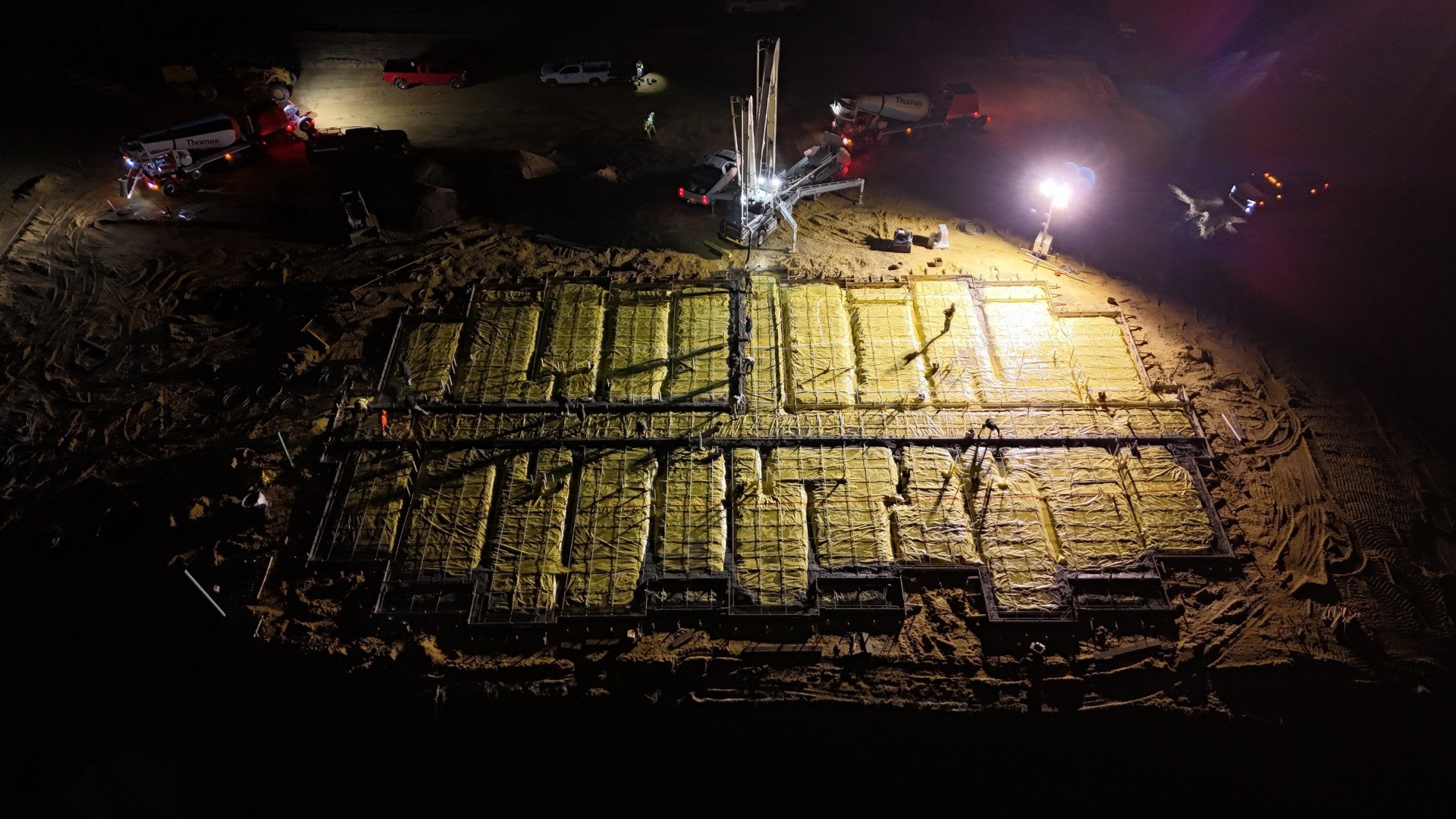
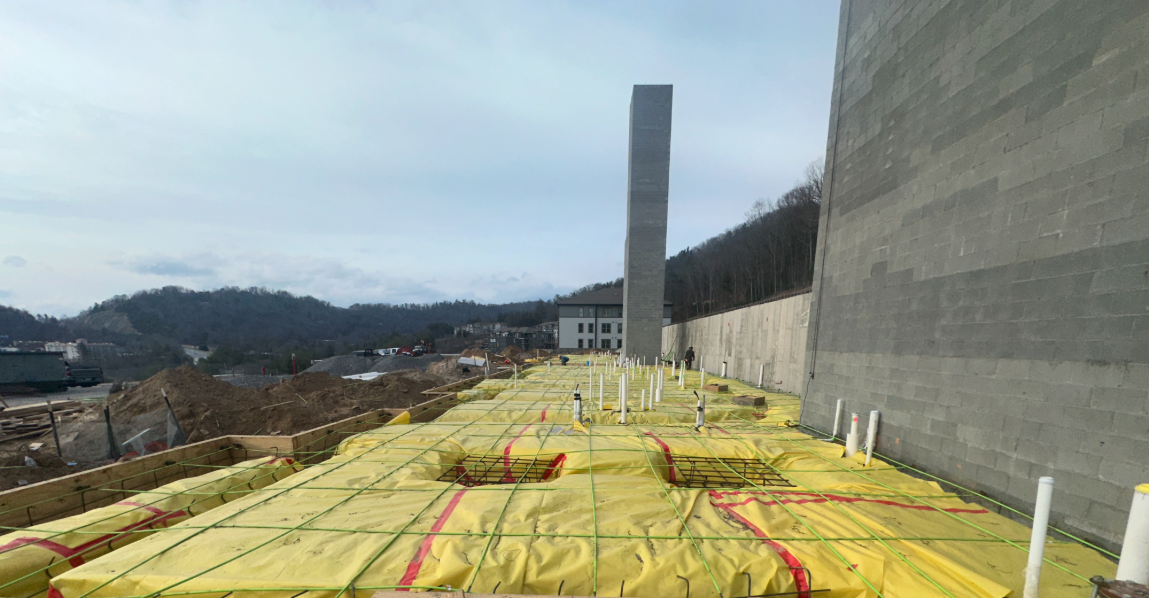
Post-tension slab-on-grade is a concrete foundation system that incorporates tensioned steel cables or tendons within the slab to enhance its structural capacity and control cracking. By applying tension to these steel tendons after the concrete has cured, post-tensioning induces compressive forces that counteract tensile stresses caused by loads and soil movement. This method allows for longer spans, thinner slabs, and reduced reinforcement compared to conventional slabs.
Concrete & Steel
Structures
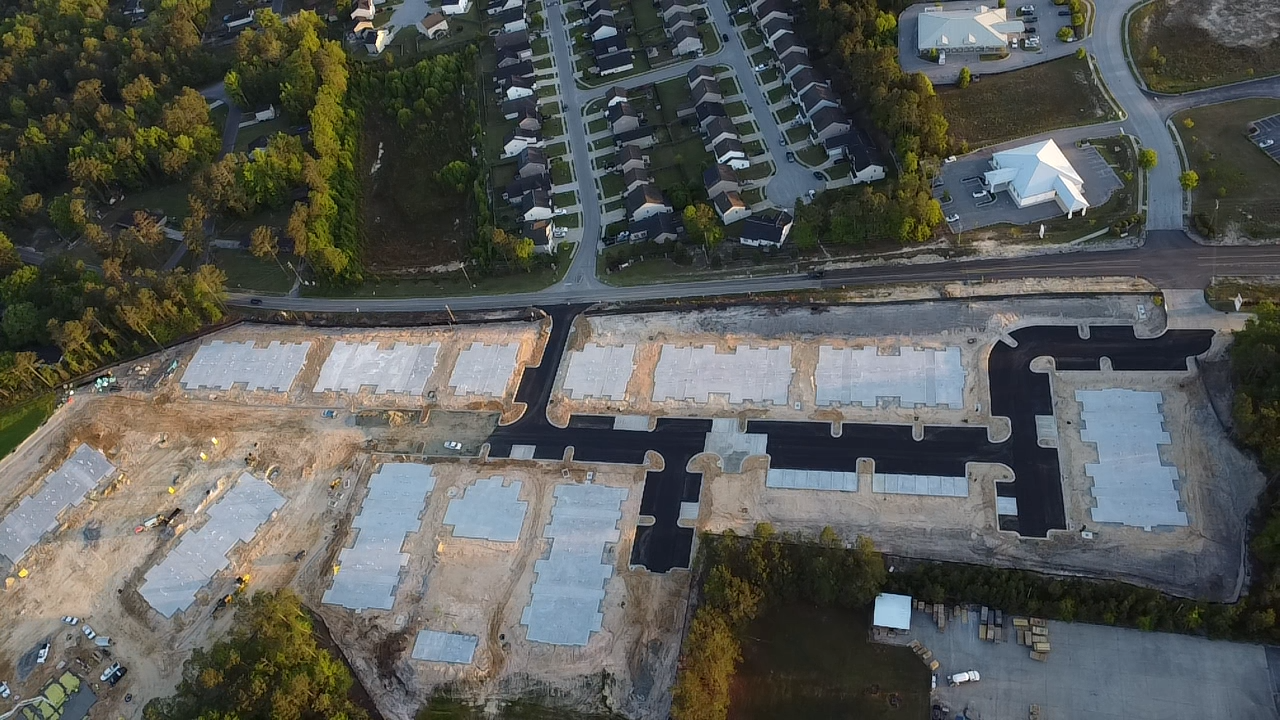
Concrete and steel structures form the backbone of modern construction due to their strength, durability, and versatility. Concrete offers excellent compressive strength and fire resistance, making it ideal for foundations, columns, and floors. Steel complements concrete by providing superior tensile strength and flexibility, allowing buildings to withstand dynamic loads such as wind and earthquakes. When combined, these materials create reinforced concrete structures that leverage the best properties of both, resulting in safe, long-lasting buildings and infrastructure capable of supporting complex architectural designs.
Poured in Place
Technical Site Walls
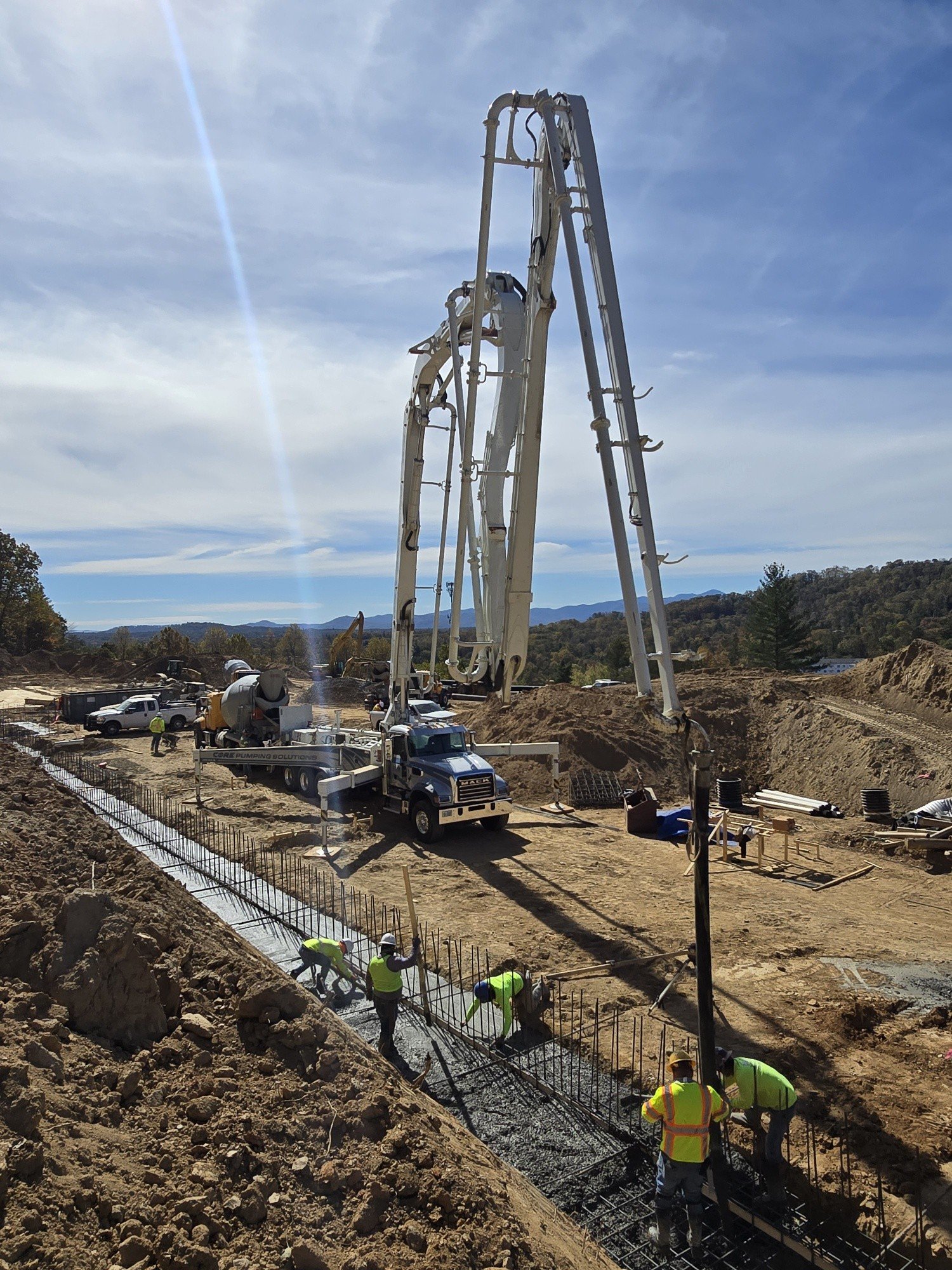
Poured in place technical site walls are durable concrete structures formed directly on-site using formwork and reinforcing steel. These walls provide excellent strength and stability, often used for retaining earth, managing site elevation changes, and supporting infrastructure. The on-site casting process allows for custom shapes and sizes tailored to project specifications, ensuring precise alignment with existing terrain or design requirements. Their seamless construction reduces joints and potential weak points, resulting in improved weather resistance and longevity compared to precast alternatives.
Poured in Place
Building Walls
Poured in place building walls are constructed by pouring concrete directly into formwork at the job site, allowing for a seamless, monolithic structure. This method offers superior strength, durability, and enhanced resistance to weather, fire, and pests compared to traditional building techniques. It provides design flexibility, enabling architects to create custom shapes and sizes while also improving insulation and soundproofing properties. Additionally, poured in place walls reduce the need for multiple construction materials and labor-intensive assembly processes, resulting in faster project completion and lower long-term maintenance costs.